

January 29, 2026
Here’s a trend I’m watching closely, and it’s consuming more of your wallet — more about my journey.
The experience economy is growing rapidly, $8.5 trillion (2024) → $12 trillion (2028). Over the next 4 years, the experience economy should grow at a 9.0% CAGR. That’s 3x the rate of global GDP growth (expected at ~3% based on IMF/World Bank forecasts).
How about spending on things (ie product spending)? 4%-5% CAGR growth in the same period. This trend will likely sustain itself, even with a bumpier economy. Mastercard data shows experiences have outpaced product spending since 2021.
Food is a great example of how dominant experience spending has been recently.
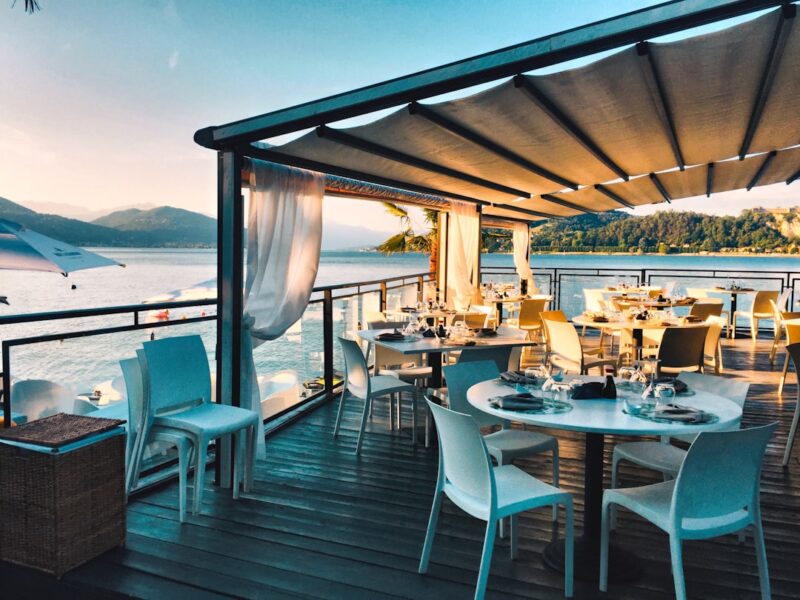
Since 2019, Restaurant spending: +13.52% and grocery spending: +3.37%. In 2024, Americans spent 58.9% of their food budget eating out.
Here’s the trend since 2021:
2023: 55.7%
2022: 53.8%
2021: 51.7%
And it’s not just in food. Let’s check live entertainment: 2019: $39.3 billion 2023: $50.3 billion 2024: $53.2 billion (That is a 6.2% CAGR).

An avg concert ticket in 2019 was $92.86. In 2023 ticket prices jumped up to $122.84. (That’s 32.29% increase & 7.25% CAGR).
Prices are going up, and Gen Z is paying.
To them, experiences have two built-in advantages over products:
- Urgency
- Community
Experiences compete on FOMO. Products compete on features, and Gen Z clearly wants the former. Why? No concert will ever be the same twice. The artist might play the same set-list, have the same choreography, and use the same lighting cues, but if you’re attending the show, the people around you make it unique.
The dinner before the show isn’t the same in Dallas as it is in Boston. Conversations will never unfold exactly the same way two nights in a row. The pieces may be similar, but they will undoubtedly be different.
People don’t want to explain why they missed the thing everyone’s talking about.
You might also enjoy: how cake explains the experience economy.
“Will I regret not going?” is a more powerful pull than: “Is that thing worth it?”
Shaun Gordon scaled a company to 1,000 employees, built and sold two businesses, and now acquires companies through Astria Elevate in Dallas. Whether you’re building, buying, or thinking about what’s next — he’s always happy to talk.
About Shaun → · Let’s connect →